Aaron Sorkin has always played fast-and-loose with truth in the name of good drama. Typically, this is a strength of his: The Social Network and Steve Jobs are both improved by ignoring fidelity in favor of modern tech-mythology.

 The Goods: Film Reviews
Aaron Sorkin has always played fast-and-loose with truth in the name of good drama. Typically, this is a strength of his: The Social Network and Steve Jobs are both improved by ignoring fidelity in favor of modern tech-mythology.

I am of the opinion that there’s a pretty high floor for a competently crafted conspiracy thriller. The genre naturally captures the imagination and builds tension and sets up big twists.
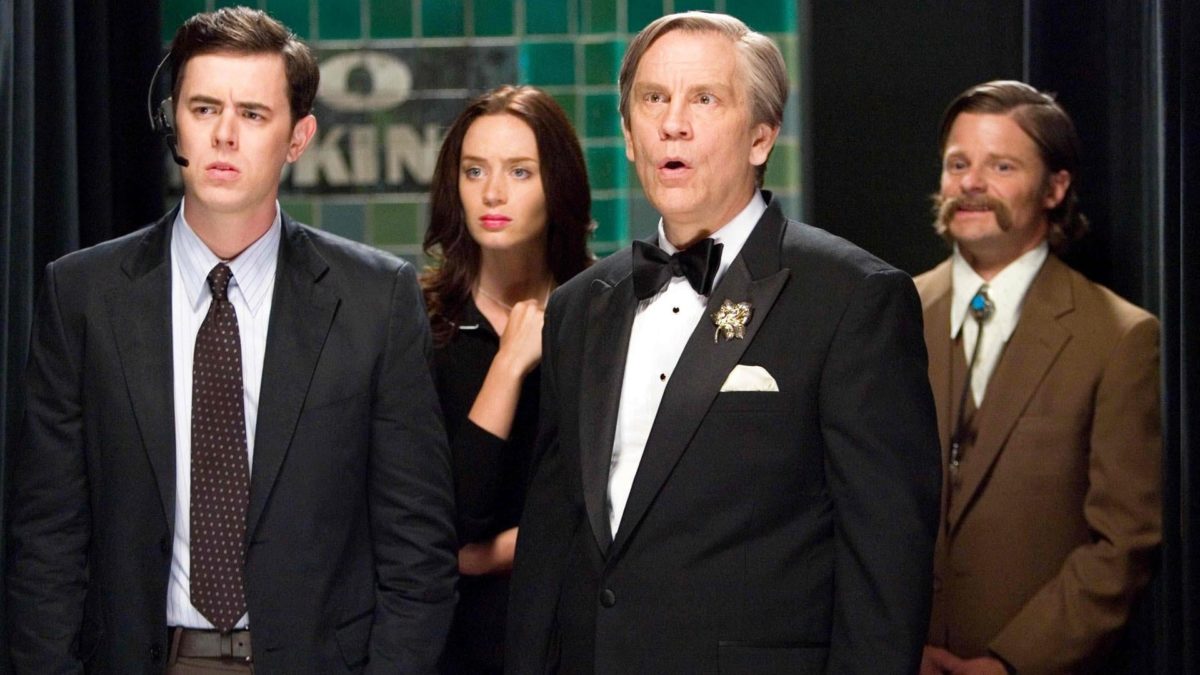
There is something poignant about the central image of The Great Buck Howard: a washed up celebrity who finds the hidden money every night, as if by magic.

Captain Phillips’ biggest strength — beyond even its technical competence and almost unceasing tension — is the tightrope it walks with the Somali pirates.

If a man smashes your kneecaps with a crowbar, can you really say he made you “feel something”?
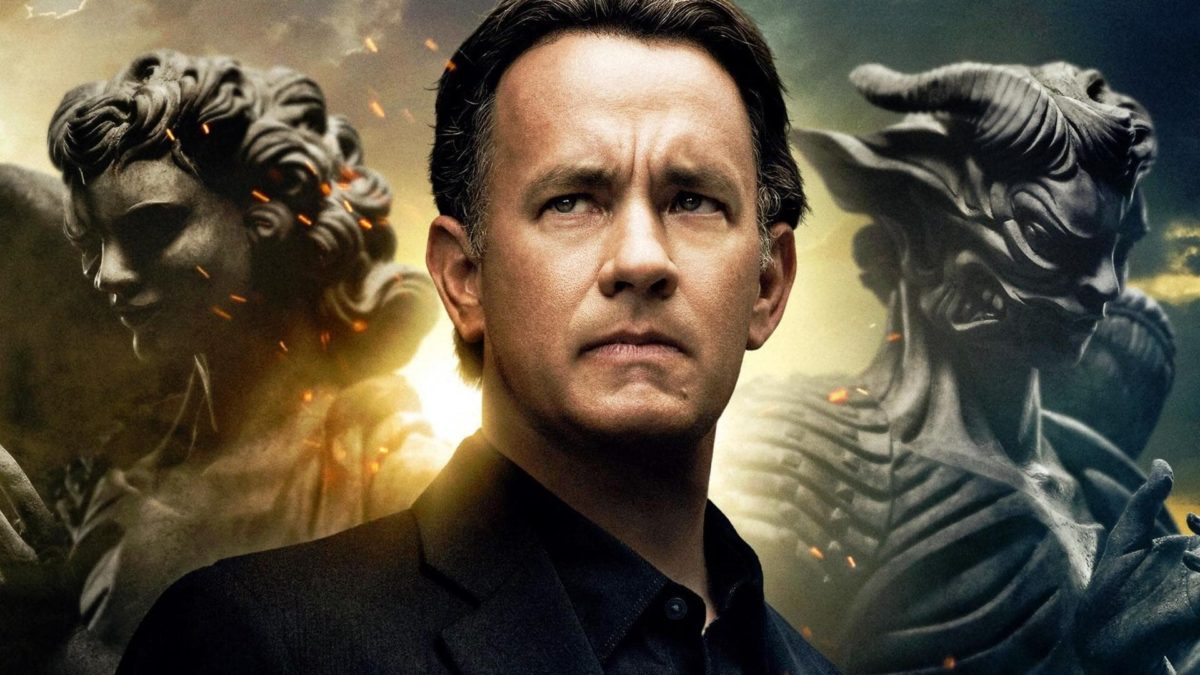
The sequel to The Da Vinci Code is, confusingly, based off of the first book in the series, with a byproduct not common of genres sequels:
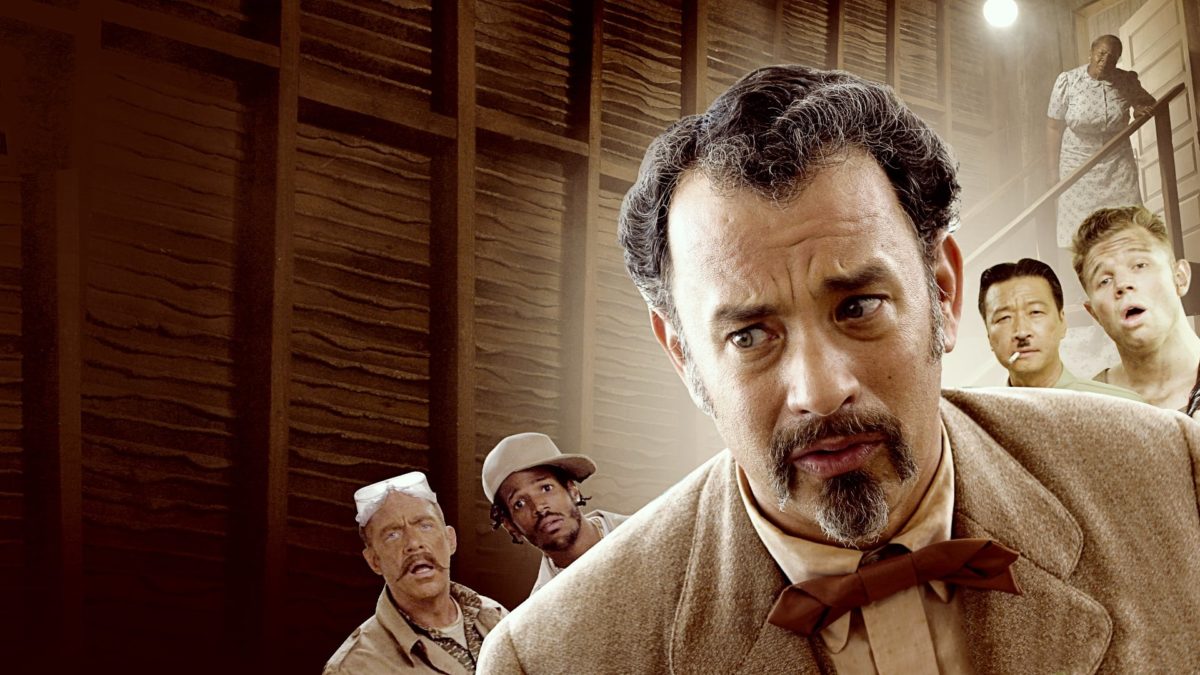
Perhaps take my opinion with a grain of salt, as I have seen less than half of the Coens’ filmography and never seen the acclaimed 1955 original, but I found more to like than dislike in The Ladykillers.

It’s one thing to be ugly. Plenty of decent movies aren’t all that great to look at.

After reading several contemporary reviews of The Terminal I’m surprised that critics at the time did not note the single most distinct trait of the film:

Sleepless in Seattle somehow still works despite a fundamental flaw in its script: The characters spend almost no time together!