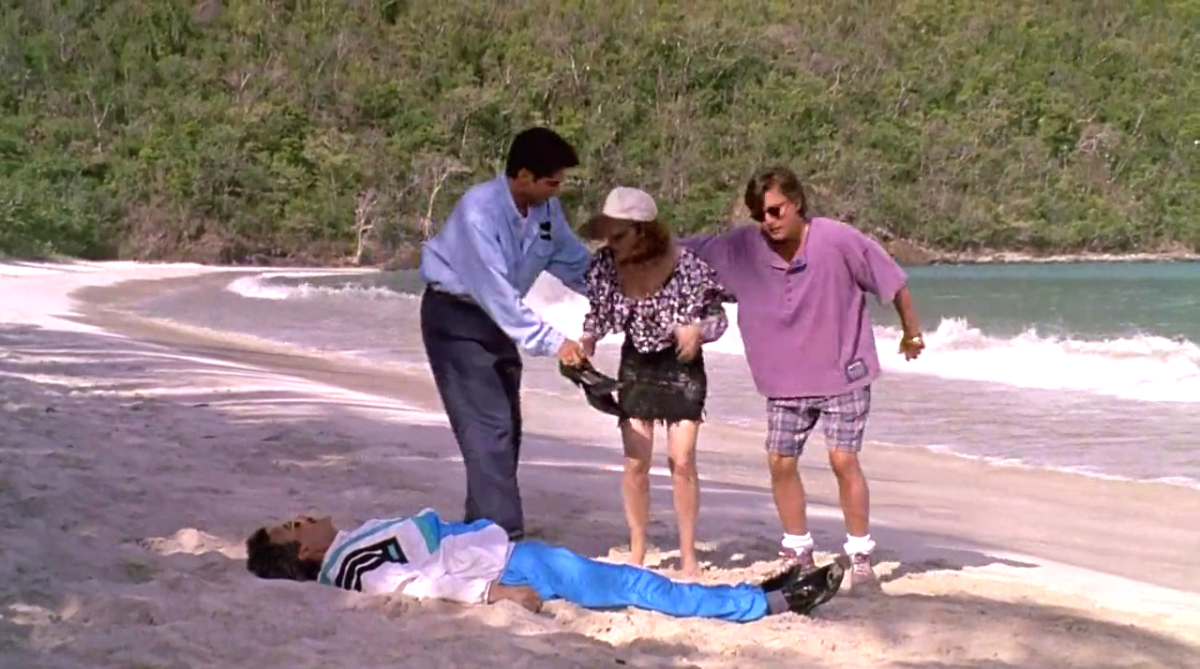
How do you make a sequel to a black comedy about a dead body posing as a living man?
Categories
Weekend at Bernie’s II (1993)
 The Goods: Film Reviews
How do you make a sequel to a black comedy about a dead body posing as a living man?

Few movies in the history of the medium have been more relegated to the “film school” shelf than Battleship Potemkin:

You know the premise of Weekend at Bernie’s.

It really isn’t that much of a surprise that Puss in Boots 2 is good.
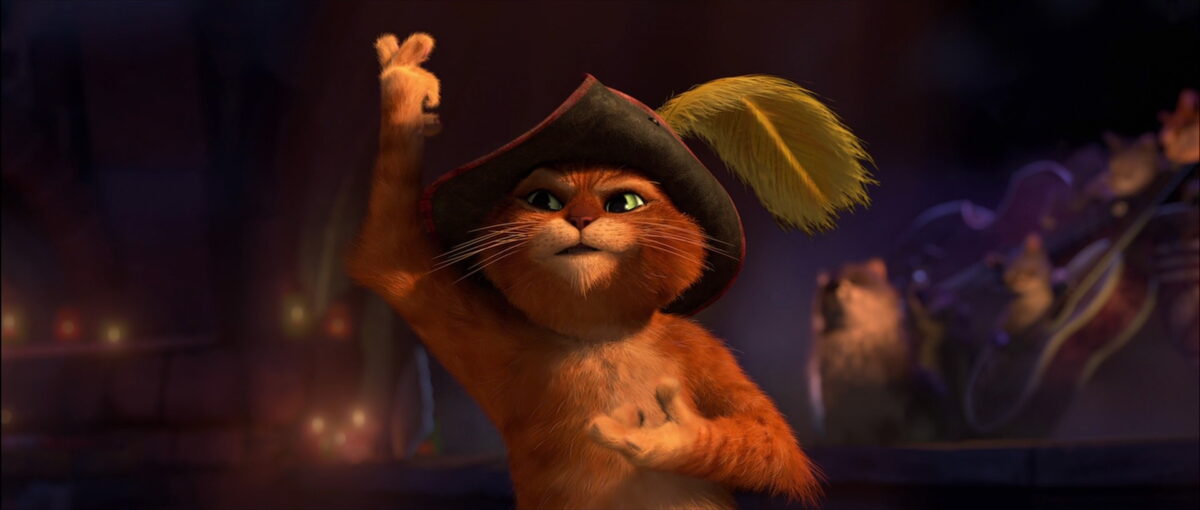
Comedy is subjective, but I always thought the Puss in Boots character as introduced in Shrek 2 is a lot less funny than his reputation.

After years of watered-down snarky comedies and diminishing returns, a major reinvention occurred at DreamWorks circa 2008-11.

Shrek the Third dares to ask: What if the series continued the gag-heavy structure of Shrek 2, but without a single funny joke?
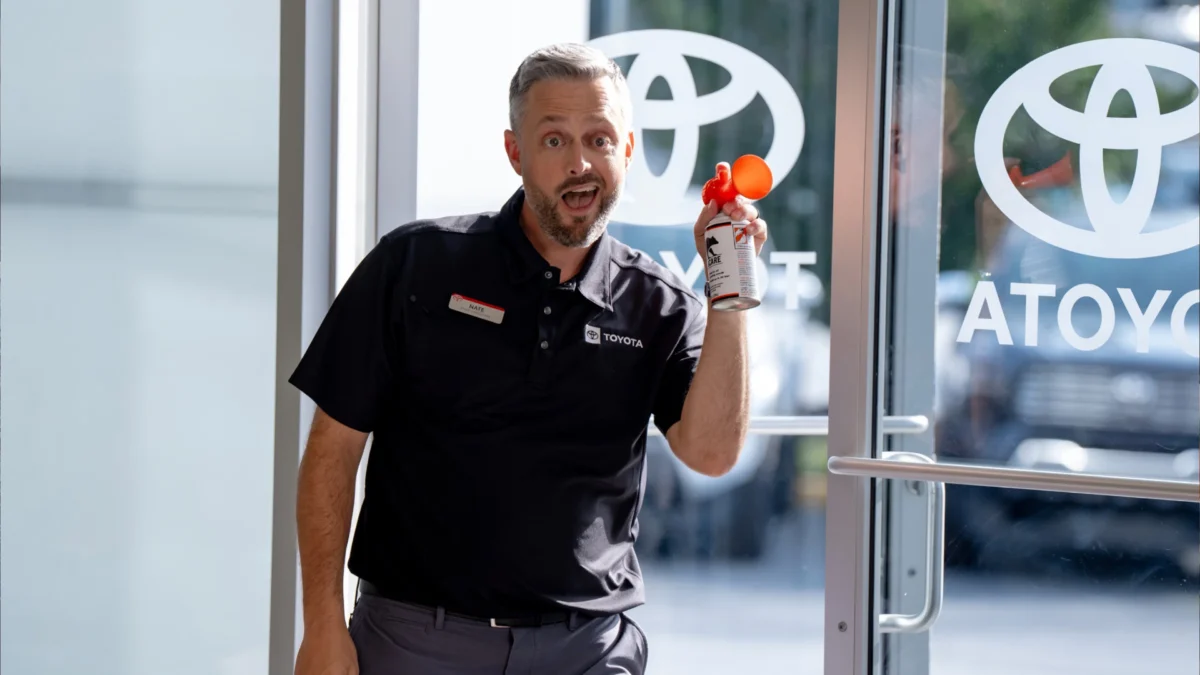
Nate Bargatze is a tremendously popular comedian whose standup already feels like watching a sitcom
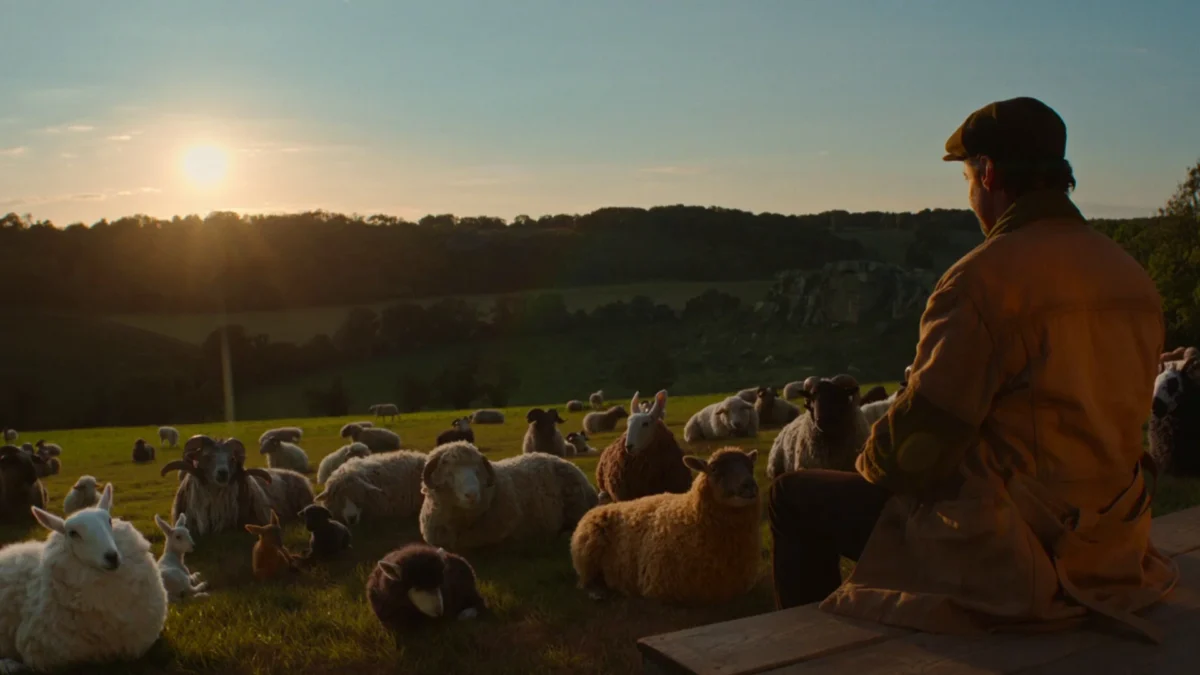
Any parent can tell you that there is an utter abundance of bad movies and TV shows made for kids.
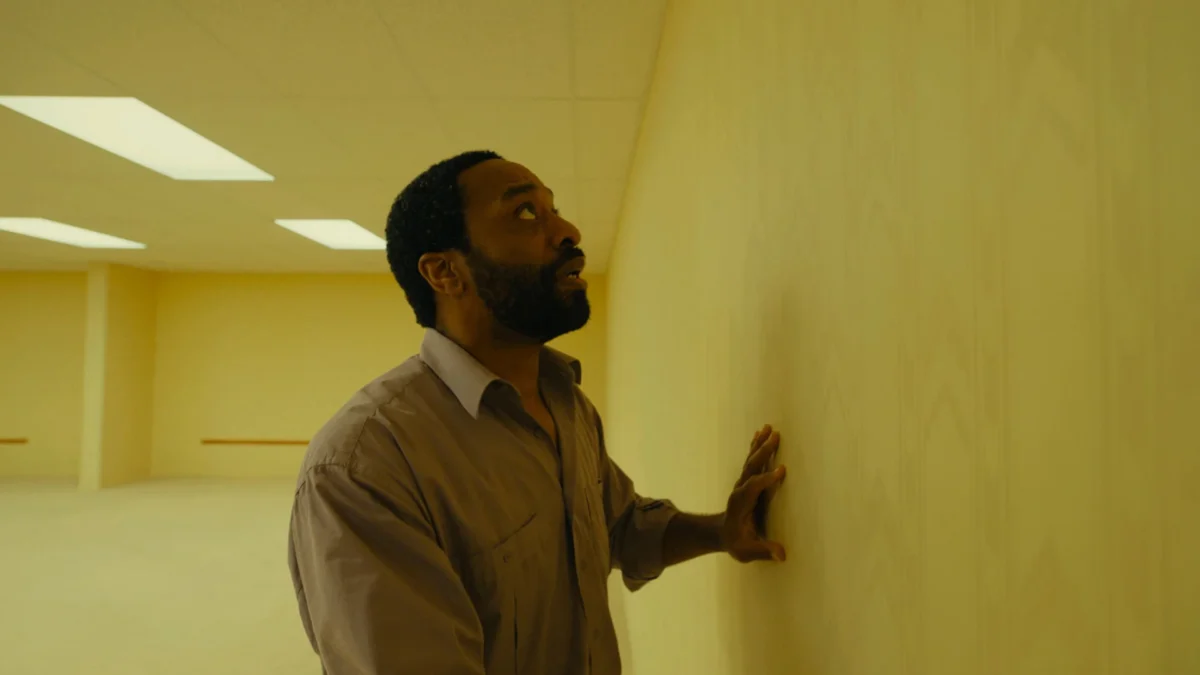
“Beware the buzzy horror release” has become such a mantra around here that I assume you’re sick of reading it.