
You've got voicemail
The romantic comedy has certainly seen better days as a genre. Amanda Dobbins of The Big Picture podcast, an enthusiast of romcoms, contends that the genre has essentially vanished from modern cinema, and what’s left is a different, lesser, streaming-centric form you can call “Hallmark movie” and most people will know what you mean. Through this prism, Voices for Isabelle can be seen as an upper-end “Hallmark movie” (though it is in fact a Netflix release), but not, to my eyes, a proper, classic romcom. That makes it a tough one for me to pin down, but is ultimately more throwaway than gem.
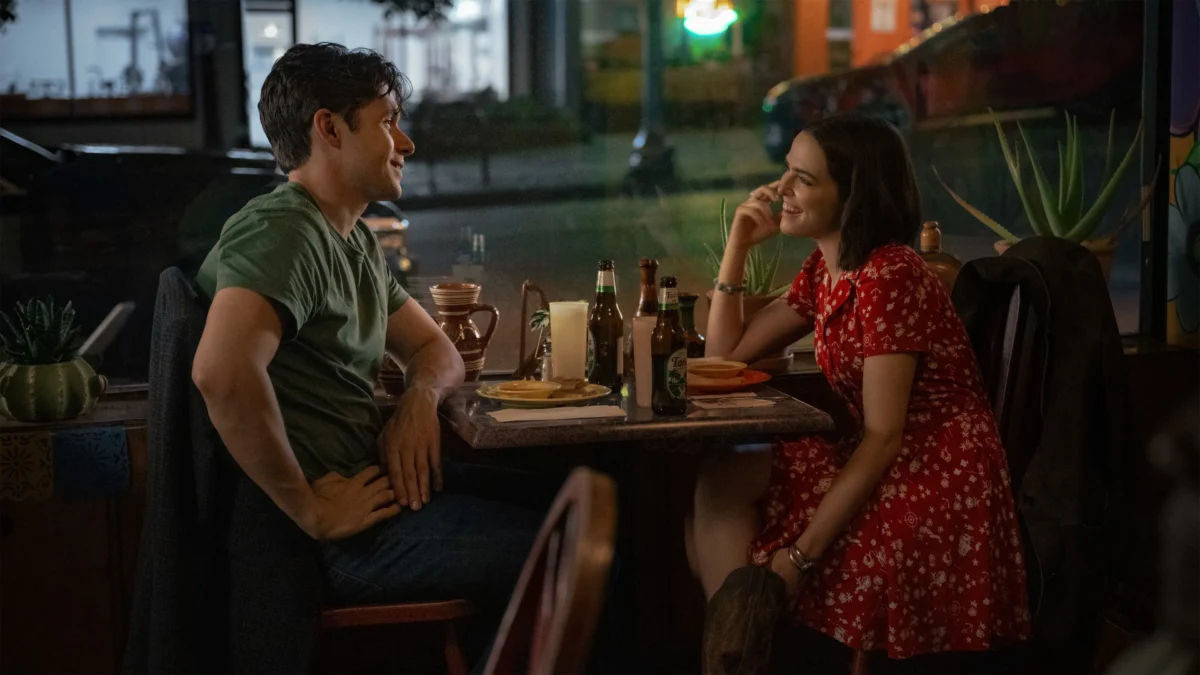
The film goes down exceptionally smoothly thanks to two B+ lead performances with great chemistry: Jill (Zoey Deutch) is an aspiring San Francisco pastry chef who copes with her sister Isabelle’s death by leaving confessional voicemails on her sister’s old number. Wes (Nick Robinson) is the Austin real estate agent who inherits that number. Wes listens to Jill’s voicemails for Isabelle and starts falling for the stranger, eventually crossing paths with her. The plot is a decent stock execution of about 25 romance tropes smashed together, those tropes occasionally lampshaded in case it wasn’t clear to you that this is a partially regurgitated You’ve Got Mail riff, with dashes of Sleepless in Seattle, Jerry Maguire, and even some Steel Magnolias-brand sister weepie stirred in for flavor.
The film’s distinctive point is its tragic undercurrent: Jill is not just a clumsy workaholic who has bad luck with boys like you’d normally see in one of these, but grieving a serious loss. (And, to be fair, she is those other things, too.) The film takes a couple of big emotional swings, and I would be lying if I said none of them land. “Dancing On My Own” by Robyn is practically a cheat code to my heart, and it’s used potently here.
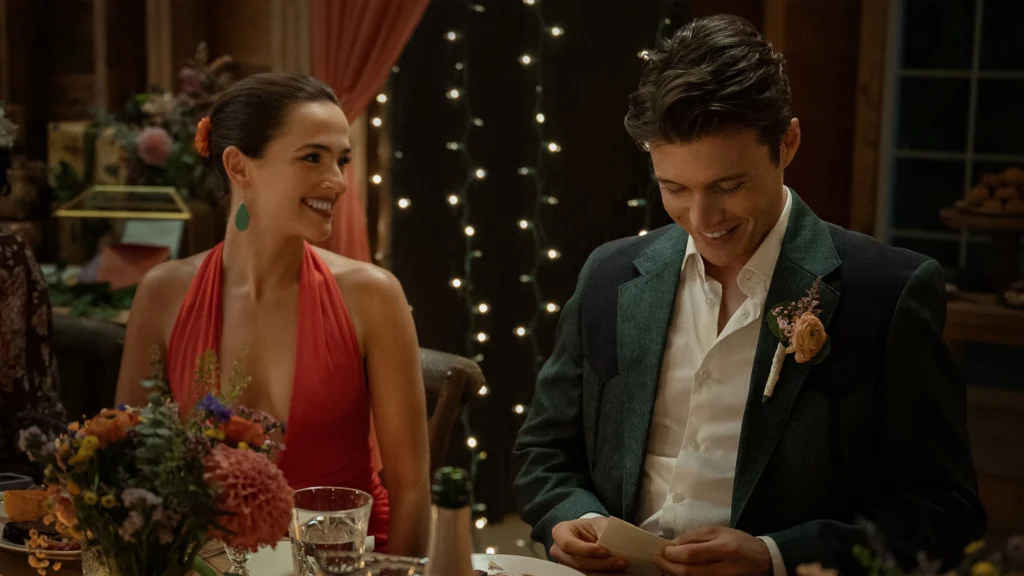
The leads deserve the lion’s share of the credit for the film’s charms. Deutch anchors the film, bringing warmth to the thinner stretches of plot; she can pivot from chaotic comic banter to raw grief on a dime and without grinding the gears. Robinson, meanwhile, is a romcom lead natural: engaging and low-key charismatic enough to make the ethically dicey premise feel gentle. And writer-director Leah McKendrick is not without achievement; she grounds the affair in character-driven humor rather than pure shenanigans.
And yet Voicemails for Isabelle never threatens to become an actual movie. It’s just too marinated in the Netflix content conveyor belt house style. Montage and needle drops reign in place of storytelling or voice; the endless Benson Boone-ass jukebox has its moments, but it has all the emotional precision of a leaky firehose, overbearing and manipulative, constantly suggesting you feel something before the scene has earned the feeling. Every shot is a medium shot. Every theme is explicated; every edge of the story sanded off.
The back half is padded with redundant beats, a patchwork of dozens of other romcoms whose central romance leans on well-worn scaffolding. And the emotional manipulation surrounding the Perfect Dead Sister (less popular cousin of the Perfect Dead Wife) occasionally borders on the pornographic while even still pulling some punches. Through it all, the tone is too harmless given the emotional stakes. The net effect of Voicemails for Isabelle is similar to that of a leisurely walk through a shopping mall.
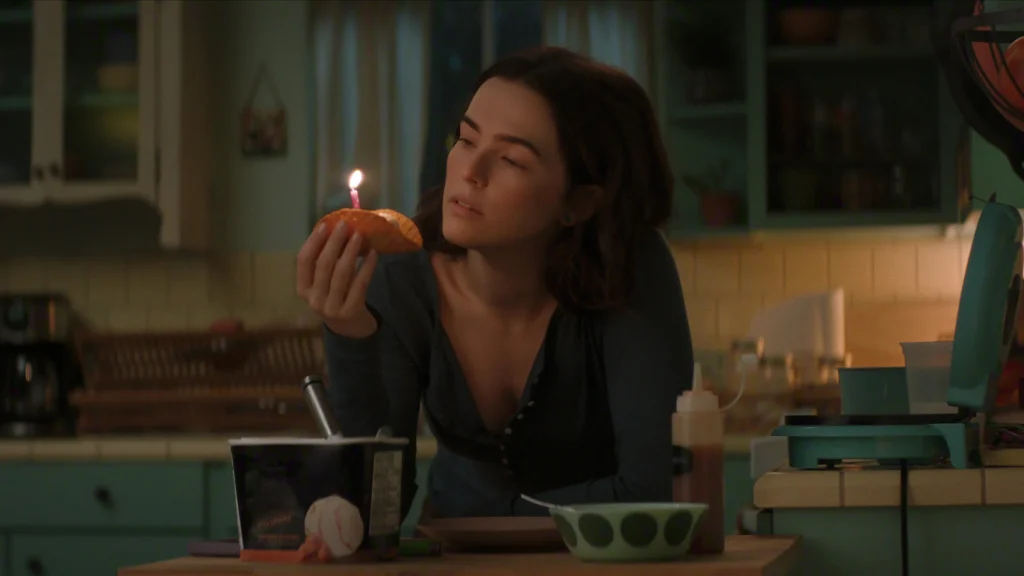
The movie makes some cowardly choices down the line to dodge the toughest dilemmas it sets up. It pivots away from the creep factor and the moral dilemma of the scenario with a half-assed “let’s start over” type of shtick in the finale. It almost stumbles into powerful subtext about grief and the way a new love both helps make the loss sting more in some ways and more bearable and others, but it feels accidental: Mostly the scenario gets cashed in as the fuel for the third-act breakup rather than anything resembling a genuine reckoning.
I genuinely expect most people who watch this will like it, because most people are tuning in hoping to experience “emotional but breezy Netflix romcom with charismatic leads,” and that is what it delivers. I’m not so pretentious as to reject that proposition entirely. If that’s what you have your sights on, by all means. I like spending time with these specific actors quite a bit (I’ve been Team Robinson since The Kings of Summer and Team Deutch since Everybody Wants Some!!). The final scene is sweeping and sad enough that I nearly decided to give this a begrudging passing grade. Certainly Voicemails for Isabelle is more watchable than some films I’ve handed halfhearted passing grades to. But I ultimately just feel pandered and talked down to.
Is It Good?
Nearly Good (4/8)
Dan is the founder and head critic of The Goods. Follow Dan on Letterboxd. Join the Discord for updates and discussion.